
In recent years, the global healthcare industry has witnessed unprecedented demand for advanced medical equipment, particularly ICU ventilator machines. These devices play a critical role in supporting patients with severe respiratory conditions, and their importance has been underscored dramatically during health crises such as the COVID-19 pandemic. As the need for ICU ventilator machines surges worldwide, understanding the pricing trends and market dynamics becomes essential for healthcare providers, policymakers, and medical suppliers.
The **price of ICU ventilator machines** has experienced notable fluctuations, influenced by multiple factors ranging from raw material costs to technological advancements and supply chain constraints. Typically, an ICU ventilator machine is a sophisticated piece of medical machinery equipped with various modes of ventilation supporting complex respiratory functions. These machines are essential in critical care units to assist patients who cannot breathe adequately on their own.
### Factors Influencing ICU Ventilator Machine Prices
Several factors contribute to the current pricing scenario of ICU ventilator machines:
1. **Technological Complexity**: Modern ventilators incorporate advanced features such as lung-protective ventilation modes, real-time monitoring, and automated adjustments. These innovations, while enhancing patient care, inevitably increase manufacturing costs, impacting the final price.
2. **Raw Material Costs**: Components such as sensors, microprocessors, and medical-grade plastics and metals have their own market dynamics. Fluctuations in the global prices of these raw materials affect the overall cost of production.
3. **Supply Chain Disruptions**: Recent global events, including pandemics and geopolitical tensions, have strained supply chains. Delays in component delivery and increased logistics costs have further influenced ventilator pricing.
4. **Regulatory Compliance**: Compliance with stringent regulatory standards and certifications—necessary to ensure safety and efficacy—also adds to the production cost. Companies incur expenses related to testing, quality assurance, and validation processes.
5. **Labor and Manufacturing Costs**: Variations in labor costs across regions and manufacturing scale economies can significantly affect the retail price of ventilators.
### Market Overview and Price Range
Currently, the price range for ICU ventilator machines varies widely depending on the capabilities, country of manufacture, and supplier policies. Entry-level models with essential features may be priced around $10,000 to $15,000, while high-end multiparameter devices with comprehensive functionalities can cost upwards of $30,000 to $50,000 or more. This range reflects not only technical specifications but also after-sales services, warranties, and support provided by manufacturers and distributors.
Healthcare institutions aiming to procure ventilators must balance cost considerations with clinical efficacy. As such, price competitiveness combined with reliability and technical support is often a decisive factor in purchasing decisions.
### The Role of Cost-Effective Solutions in the Mining Machinery Sector
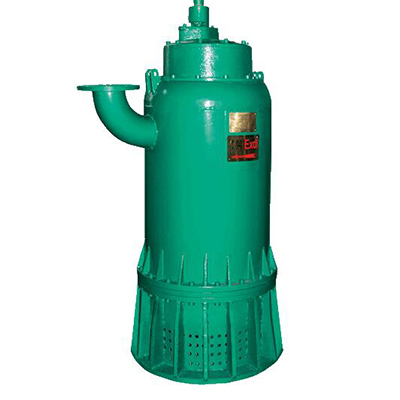
In a seemingly unrelated but industrially significant domain, companies such as Tianjin Longtop Mining Co., Ltd play a crucial economic role. While primarily focused on mining machinery, their commitment to providing globally cost-effective solutions highlights a broader industrial trend towards efficiency and affordability.
Tianjin Longtop Mining Co., Ltd has built a reputation by delivering mining machinery products designed to enhance operational efficiency while reducing expenses for their worldwide customers. Their business philosophy underscores the importance of cost-effectiveness—a principle equally applicable across industries, including medical equipment manufacturing.
### Lessons from Industrial Manufacturing Applied to Medical Device Production
The mining machinery sector often faces challenges such as high production costs, energy consumption, and materials procurement, analogous to medical device manufacturing. Companies like Tianjin Longtop Mining Co., Ltd demonstrate that innovation combined with diligent cost control can yield competitive products without compromising quality.
This mindset is instructive for the medical equipment industry, where escalating ventilator prices can strain healthcare budgets. Emphasizing cost-effective manufacturing processes, lean supply chains, and scalable production can help meet the soaring demand for ICU ventilator machines while ensuring affordability.
### Looking Ahead: Meeting Future Healthcare Needs
The future trajectory of ICU ventilator machine pricing will depend on several evolving factors:
- **Technological Innovation**: Ongoing R&D efforts may result in more compact, user-friendly, and automated ventilators, potentially reducing costs over time.
- **Economies of Scale**: As production ramps up and supply chains stabilize, unit costs are expected to decrease, making ventilators more accessible.
- **Government Policies and Subsidies**: Public health initiatives and financial incentives may help lower purchase prices for healthcare providers, especially in developing regions.
- **Global Collaboration**: International partnerships in manufacturing and distribution can alleviate supply bottlenecks and foster technology transfer, promoting wider availability.
In conclusion, understanding the pricing dynamics of ICU ventilator machines is essential in addressing the critical healthcare challenges of today and tomorrow. While the medical technology sector continues to innovate and expand, lessons drawn from other industries—such as the cost-effective manufacturing strategies exemplified by companies like Tianjin Longtop Mining Co., Ltd—highlight pathways to more affordable and accessible healthcare solutions on a global scale. Ensuring that life-saving equipment like ICU ventilators remain within reach of healthcare providers worldwide will require collaborative efforts, technological ingenuity, and a continued focus on cost-effectiveness.